Heatwave Stocks 2026: A 5-Step Climate Abnormality Investment Manual for Korean Market Investors
Korea’s meteorological agency just released its annual climate outlook, and the numbers are stark. A 70% probability that 2026 average temperatures will run above normal. A 0% probability they’ll come in below. For anyone tracking heatwave stocks climate abnormality investment 2026, that’s not a forecast — it’s practically a verdict. Three consecutive years of above-normal heat. And if you’ve been watching Korean markets as closely as I have, you already know the market doesn’t wait for the thermometer to spike before it moves.
The question most investors ask when heatwave headlines hit is always the same: “Is it too late to buy?” The honest answer? If you’re asking that question, it probably is — for that particular entry point. But the opportunity isn’t gone. It’s just moved to the next phase.
That’s exactly what this post is about. Not a stock tip sheet. A pattern map — five repeatable stages that Korean and global markets have followed every major heatwave cycle, and what the smart positioning looked like at each stage.
Why Heatwave Stocks Follow a Predictable Pattern
As someone inside Korea’s industrial sector, I’ve watched this play out up close. In spring 2025, both Samsung Electronics and LG Electronics ramped up air conditioner production lines months ahead of peak season. An industry contact put it bluntly: “Air conditioners have the highest demand volatility of any premium appliance — climate is the single biggest variable.” Meanwhile, power infrastructure names went vertical. Daewon Electric Cable’s preferred shares hit the daily upper limit five times in ten trading days, a roughly 4x move driven entirely by grid demand expectations.
Markets are reading heatwaves as standalone investment events. That’s new — and it’s structural.
Three historical moments defined how markets learned to price this risk:
2003 European Heatwave: Over 70,000 deaths. French nuclear plants had to reduce output due to cooling water shortages. European power grids hit extreme load. Energy and infrastructure names spiked hard in the short term — and the event catalyzed decades of grid modernization investment across the continent.
2021 North American Heat Dome: Lytton, Canada recorded 49.6°C — a recorded history first. Western US and Canadian grids buckled. AC and cooling infrastructure stocks surged short-term. This was the moment Wall Street formally recognized climate risk as a structural investment theme.
2024–2025 Korea: The AI data center cooling demand and heatwave cooling demand collided simultaneously. Power infrastructure names became the market’s focal point. The pattern has become familiar enough that Korean retail investors now anticipate it — which means the early mover advantage has compressed.
The 5-Step Heatwave Stocks Climate Abnormality Investment 2026 Playbook
Here’s how the cycle typically unfolds — and what the evidence says about positioning at each stage.
Step 1 — Early Heat Warnings: Pre-Heatwave Advisory Phase
What’s happening: Korea Meteorological Administration issues preliminary heat advisories (typically late May to early June). “Hotter than normal summer” articles flood financial media. Home appliance makers announce early production ramp-ups.
What works: Small initial positions in cooling/AC-related names. Add power infrastructure stocks to your watchlist and prepare staged entry.
Why early entry matters: Watching this from the Korean market side, the pattern is consistent — AC stocks move before the official heatwave advisory, not after. By the time the headline says “record heat incoming,” the move has already happened. Positioning at the forecast stage, not the confirmation stage, is the entire edge here.
Reference names: LG Electronics, Samsung Electronics (appliance division), Carrier Refrigeration (Korea) | US: Carrier Global (CARR), Lennox International (LII)
Risk controls: Keep total exposure to 10–15% of portfolio. Avoid chasing anything already up 30%+. Forecasts can miss.
Step 2 — Power Grid Stress: Blackout Risk Headlines
What’s happening: Power reserve margins drop below 10%. Blackout risk articles appear. Electricity tariff hike discussions resurface. AI data center demand and heatwave cooling demand hit the grid simultaneously.
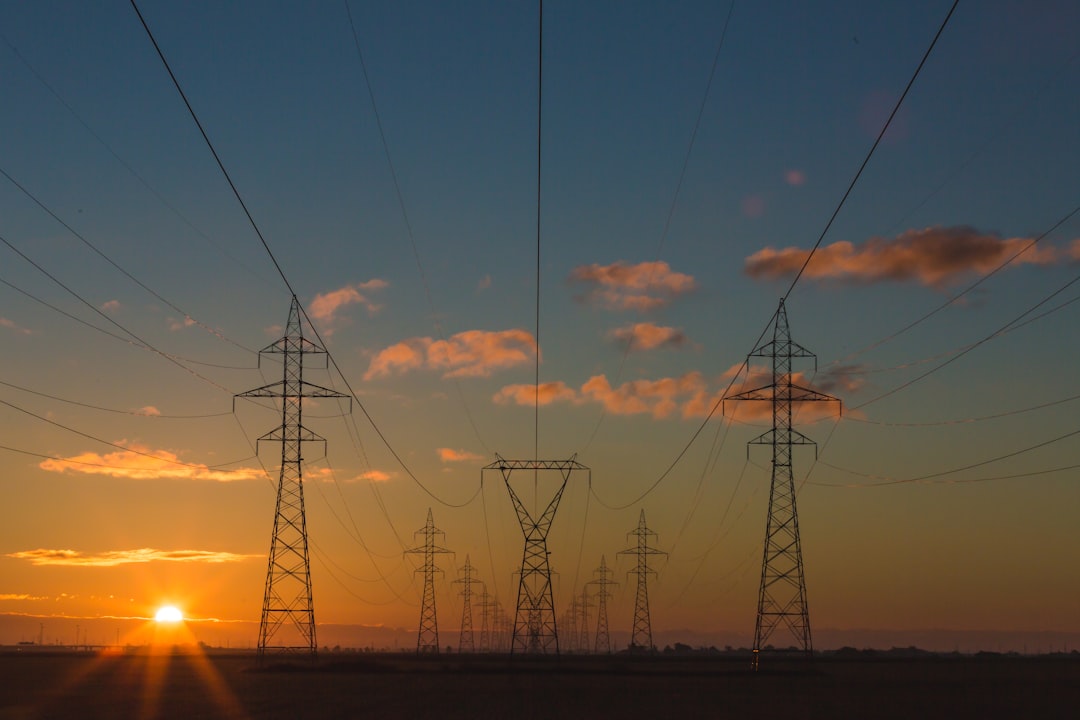
What works: Increase allocation to power generation and grid infrastructure — transformers, transmission cable, switchgear.
Why this phase accelerates: The AI data center + heatwave overlap isn’t temporary. It’s a structural demand collision that Korea started experiencing in 2024. When energy supply bottlenecks materialize, generation companies’ utilization rates and margins move directly. This same dynamic played out in Europe in 2003 and North America in 2021. The pattern repeated. It will again.
Important caveat: Korea Electric Power (KEPCO) is regulated — rising demand doesn’t automatically translate to profit under the current tariff structure. Focus on equipment and infrastructure plays, not the utility itself.
Reference names: LS Electric, Daewon Electric Cable, Gaon Cable | US: NextEra Energy (NEE), Constellation Energy (CEG)
Step 3 — Food Price Shock: Agricultural Disruption
What’s happening: Vegetable and fruit prices spike. Fresh food CPI components surge. Food companies start issuing margin warnings.
What works: Trim exposure to food companies with high import dependency. Start building positions in water treatment and smart agriculture infrastructure.
The structural angle: Korea’s 1994 heatwave caused agricultural losses running into hundreds of billions of won — and the supply disruption echoed for years afterward. As a Korean engineer tracking both KOSPI and NASDAQ, I see this phase as the one most retail investors miss entirely because they’re still focused on the AC trade. Water scarcity and crop disruption are the second-order consequences. Xylem and similar water infrastructure names in the US tend to get repriced here.
Reference names: Kolon Environmental Services, Korea Environment Technology | US: Xylem (XYL), Essential Utilities (WTRG)
Step 4 — Corporate Earnings Warnings: Sector Damage Assessment
What’s happening: Construction and shipbuilding companies disclose project delays due to outdoor work stoppages. Food and beverage companies issue profit warnings. Manufacturers report margin compression from energy cost spikes.
What works: Selectively reduce outdoor labor-dependent names. Rotate toward data center cooling infrastructure and building automation.
The numbers behind it: Domestic research shows that when heatwaves extend beyond 10 days, outdoor manufacturing productivity drops by up to 20%. In summer 2025, several Korean construction companies actually filed disclosure notices about site shutdowns. Meanwhile, data center thermal management companies were fielding the best order inquiry pipelines in years.
Important nuance: Don’t blanket-sell all construction. Target the companies with the highest ratio of outdoor work in their project mix. Broad sector exits often mean missing the recovery bounce.
Reference names: Hanjung ENS, BHI (cooling systems) | US: Vertiv Holdings (VRT), Modine Manufacturing (MOD)
Step 5 — Post-Heatwave: The Climate Policy Catalyst
What’s happening: “Climate abnormality is the new normal” narratives dominate financial media. Governments announce accelerated energy transition budgets. ESG fund inflows pick up.
What works: Build medium-term positions in renewables, battery storage, and water infrastructure. Begin evaluating energy efficiency plays for longer-term holds.
Why the post-heatwave period matters most: The heatwave passes, but the policy response doesn’t. After Europe’s 2003 heatwave, renewable energy investment surged across the continent. After the 2021 North American heat dome, US energy transition budgets expanded dramatically. Every major heatwave has functioned as a one-step ratchet on climate policy intensity. The bigger the heatwave, the stronger the subsequent policy response — and the more powerful the structural trade that follows.
Reference names: Hanwha Solutions, OCI Holdings (solar), CS Wind (wind) | LG Energy Solution, EcoPro BM (battery) | US: First Solar (FSLR), Enphase Energy (ENPH), NextEra Energy (NEE)
Full Cycle Summary: Heatwave Stocks Climate Abnormality Investment 2026
| Stage | Market Signal | Action | Key Names |
|---|---|---|---|
| Step 1 | Early heat advisories, AC ramp-up news | Small entry: cooling stocks | LG Electronics, CARR, LII |
| Step 2 | Grid stress, blackout risk headlines | Add: power infrastructure | LS Electric, HD Hyundai Electric, NEE |
| Step 3 | Food price surge, CPI shock | Trim food, add water treatment | XYL, Kolon Environmental |
| Step 4 | Earnings warnings, outdoor sector damage | Reduce outdoor exposure, add cooling infra | VRT, MOD, Hanjung ENS |
| Step 5 | Post-heatwave policy acceleration | Build renewables/battery mid-term | FSLR, ENPH, Hanwha Solutions |
3 Non-Negotiable Rules for Heatwave Investing
| Rule 1: Never Chase Day-of Spikes | → | Rule 2: Separate Seasonal from Structural | → | Rule 3: Plan Your Exit Before You Enter |
Rule 1 — Never chase day-of spikes: Heatwave-related names have repeatedly spiked 30–50% on the day an official advisory drops. At that price, the expectation is already baked in. When you buy on the news day, you are the liquidity someone else is selling into. Entry happens at the forecast stage. Execution is always staged.
Rule 2 — Know which theme you’re in: AC stocks and seasonal power demand are short-cycle trades. Water infrastructure, renewables, and battery storage are structural — they get stronger as climate abnormality compounds year over year. Treating them identically leads to two mistakes: getting trapped at the top of a seasonal trade, or bailing too early from a structural one. Before you buy anything, decide: which bucket does this belong to?
Rule 3 — Pre-set your exit: Every heatwave in history ended. The 1994 Korean heatwave ended. The 2003 European heatwave ended. The 2021 North American heat dome ended. Short-cycle heatwave beneficiaries reprice sharply when temperatures normalize. Set your target return or your event-end trigger before you enter. Decisions made during a heatwave — with news flow at peak intensity — are almost always wrong. Make the rules when you’re cold.
📊 2026 Korea Climate Outlook — Key Numbers
• Probability of above-normal average temperature: 70%
• Probability of below-normal average temperature: 0%
• Consecutive above-normal years: 3 (2024, 2025, 2026)
• Compound drought-heatwave event increase vs. early 2000s: ~8x
• Outdoor manufacturing productivity loss after 10+ day heatwave: up to 20%
• Daewon Electric Cable preferred shares move (2025): ~4x in 10 trading days
The Bottom Line for Global Investors
On the ground here in Korea, the conversation has shifted. Heatwaves are no longer just uncomfortable weather — they’re a multi-sector shock event that touches energy infrastructure, food supply chains, industrial productivity, and long-cycle climate policy all at once. The market knows this now. Which means the easy money in heatwave stocks is gone by the time most people see the headline.
What remains is the pattern. And the pattern, across 2003 Europe, 2021 North America, and 2024–2025 Korea, has been remarkably consistent. The investors who treated heatwave stocks climate abnormality investment 2026 as a five-stage cycle — not a single trade — consistently captured more of the move with less timing risk.
Three consecutive hot years in Korea. A zero percent chance of a cool 2026. The setup is already in place. The question is which stage you’re entering at — and whether you’ve got the exit planned before the heat arrives.
This post is for informational and educational purposes only. It does not constitute investment advice. Always do your own research before making any investment decision.