Forced Liquidation Margin Call Korea Stocks: 3 Hard Lessons from the KOSPI 7,000 Crash
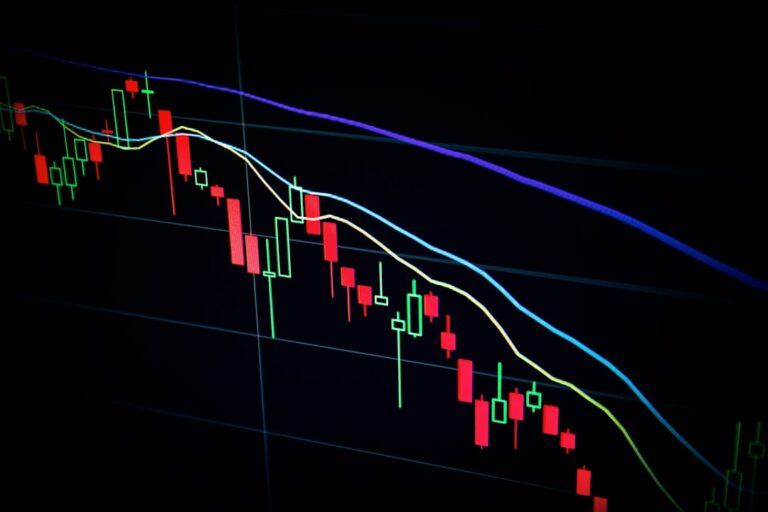
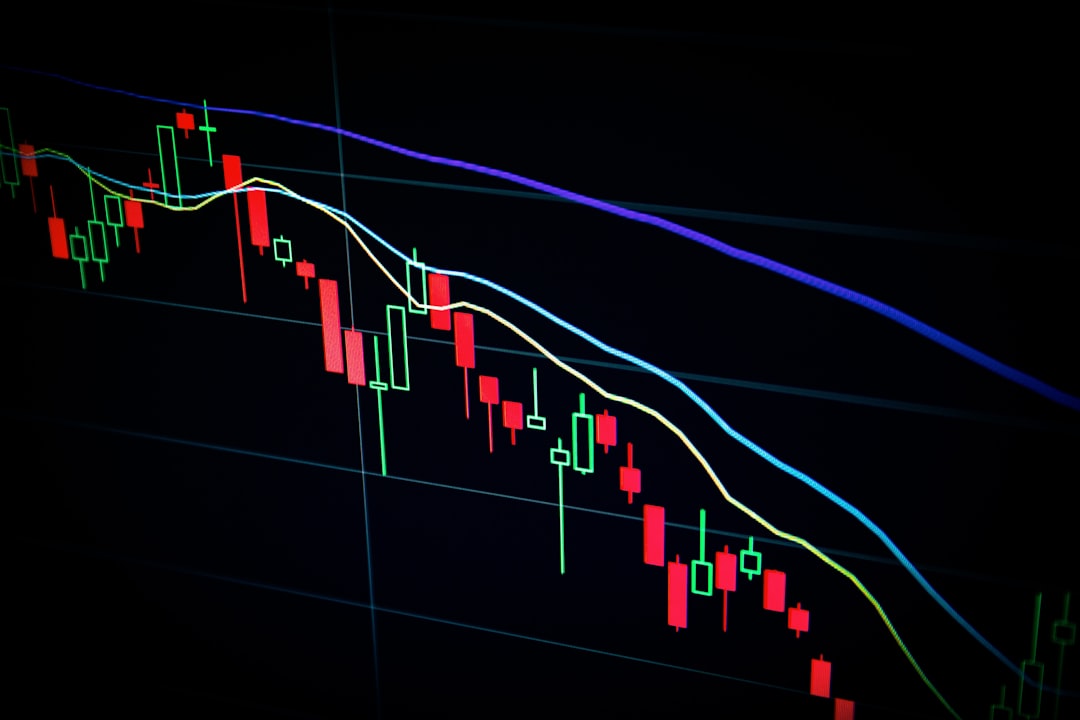
If you’ve been watching Korean markets lately, you’ve witnessed something that every leveraged bull market eventually produces: a forced liquidation margin call Korea stocks event that turns euphoria into panic almost overnight. Just weeks ago, retail investors here in Seoul were talking about KOSPI hitting 7,000. Now, the morning session opens with cascading sell orders and shattered account balances. Understanding what happened — and why — is essential for any global investor with exposure to Korean equities.
What Is Forced Liquidation, and Why Does It Hit Korean Markets So Hard?
Let me break this down the way I’d explain it to a colleague on the refinery floor. When a Korean retail investor borrows money from a brokerage to buy stocks — through either 미수거래 (unsettled credit purchases) or 신용융자 (margin loans) — they’re essentially betting with someone else’s chips. That’s fine when markets move up. But the moment prices drop and the collateral value falls below roughly 140% of the outstanding loan, the brokerage doesn’t ask nicely. It acts.
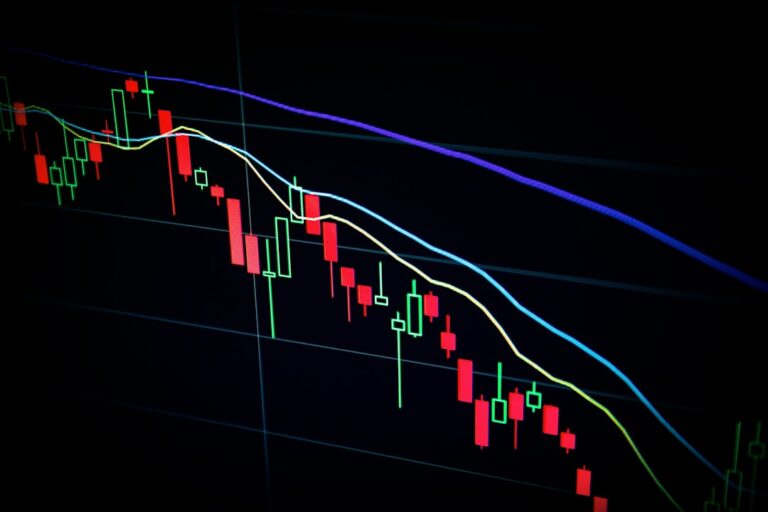
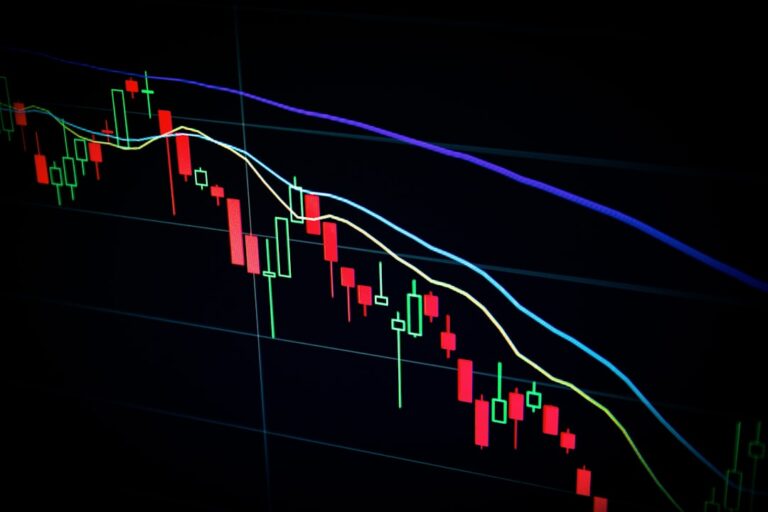
That action is forced liquidation — the brokerage sells the investor’s holdings without their consent, at whatever price it takes to recover the loan. In Korea’s system, those sell orders typically get placed near the daily lower limit of -30% from the previous close, right at the 9:00 AM market open. The goal is certainty of execution, not price optimization. And for the investor sitting on the other side? The damage is usually catastrophic.
The trigger this time was geopolitical. A sudden escalation in US-Iran tensions sent a shockwave through global markets, and KOSPI — which had been riding an AI semiconductor euphoria wave — was particularly exposed given how much leverage had been stacked up during the rally. As someone inside Korea’s industrial sector, I can tell you that the mood on the ground shifted from disbelief to quiet dread in about 48 hours.
The Scale of the Problem: Korea’s Leverage Bubble by the Numbers
📊 Key Numbers: Korea Margin Debt Context
• 신용융자 잔고 (Margin loan balance): Reached a multi-year high during the KOSPI 5,000–6,000 surge
• Forced liquidation trigger: Collateral ratio drops below ~140% of loan value
• Execution timing: 9:00 AM open, T+3 for unsettled trades
• Sell price target: Near -30% daily limit to guarantee execution
• Typical investor outcome: Near-total loss of principal on leveraged position
The scale matters here. When leverage builds to historic levels during a bull run — as it did with KOSPI’s AI-driven surge — the system stores enormous latent downside energy. It’s like pressure building in a pipeline. Watching this from the Korean market side, the warning signs were there: retail participation was at record highs, small-cap theme stocks were trading at absurd multiples, and the phrases “빚투” (debt investing) and “영끌” (maxing out everything) were back in everyday conversation. Self-employed workers, university students, housewives — everyone was in. And many were in with borrowed money.
Who Wins and Who Loses When Forced Liquidation Hits Korea Stocks
| Market Participant | Short-Term Impact | Opportunity? |
|---|---|---|
| Retail (leveraged) | Catastrophic — near-total principal loss | ❌ None |
| High-volatility theme stocks | Amplified selloff — forced selling concentrates here | ⚠️ High risk/reward |
| Korean brokerages | Loan recovery + transaction fee income | ✅ Short-term protected |
| Institutions / Foreign investors (cash-rich) | Temporary mark-to-market pressure | ✅ Strong buy opportunity |
| Long-term retail (unleveraged) | Paper losses but portfolio intact | ✅ Accumulation window |
The forced liquidation margin call Korea stocks dynamic creates a specific pattern: overshooting to the downside. When brokerages dump shares indiscriminately near the -30% limit, even fundamentally strong companies get dragged down. Samsung Electronics, SK Hynix, POSCO Holdings — none of them are immune when the margin tsunami hits. This is the classic undershooting event that institutional and foreign investors wait for. Korea Exchange data consistently shows foreign net buying spikes during these exact forced selling windows.
The Geopolitical Noise vs. The Real KOSPI Story
Here’s where my engineering background comes in handy. In process systems, you distinguish between a signal — a fundamental change in operating conditions — and noise — a transient disturbance that doesn’t alter the underlying process. The US-Iran escalation is, in my read, noise.
It’s loud noise. It’s painful noise. But it does not change the underlying demand curve for HBM (High Bandwidth Memory), it doesn’t alter TSMC’s capacity constraints, and it doesn’t reduce the AI infrastructure capex commitments that are driving semiconductor earnings globally. Korean chipmakers sit at the center of that structural story. As a Korean engineer tracking both KOSPI and NASDAQ, I haven’t changed my view that the AI semiconductor cycle is the dominant multi-year signal for this market.
That’s not blind optimism. The IMF’s World Economic Outlook and independent semiconductor cycle analysis both point to sustained AI-driven demand through at least 2026. The forced selling is clearing out the weakest hands. That’s not a broken market — that’s actually how a market is supposed to function.
The Mechanics of How a Forced Liquidation Cascade Unfolds
| Market drops sharply | → | Collateral ratio breached | → | Brokerage queues sell orders at -30% | → | 9AM dump → further index decline → new liquidations triggered |
This is the self-reinforcing loop that makes forced liquidation margin call Korea stocks events so violent in the short term. Each wave of forced selling pushes prices lower, which triggers the next wave. It doesn’t stop until the leveraged positions are cleared. On the ground here in Korea, watching this play out in real-time is genuinely unsettling — even for those of us who are unleveraged and intellectually prepared for it.
3 Lessons Global Investors Must Take from This Forced Liquidation Event
Lesson 1: Leverage Is the Risk Variable Most Investors Ignore Until It’s Too Late
The Korean retail investor who lost everything this week wasn’t necessarily wrong about KOSPI’s direction. They were wrong about their safety margin. In engineering, we never design a structure to exact load capacity — we build in a factor of safety. Your portfolio needs the same architecture. A forced liquidation margin call doesn’t care how right your thesis is.
Lesson 2: The Forced Liquidation Flush Creates the Best Entry Windows in Korea Stocks
For global investors watching from outside Korea, this is the moment to pay close attention. When forced liquidation margin calls hit Korea stocks, quality names get sold indiscriminately. KOSPI index trackers and Korea-focused ETFs can see dislocations from fair value that rarely appear in normal market conditions. Cash-rich investors — domestic institutions, foreign funds — know this playbook well.
Lesson 3: Separate the Noise from the Signal Before You Act
The AI semiconductor thesis underpinning KOSPI’s structural bull case has not changed. What changed is the leverage structure sitting on top of it. As someone inside Korea’s industrial sector, I track both the macro narrative and the on-the-ground reality. The companies driving this market — the HBM suppliers, the advanced packaging players — are still reporting strong order books. That’s the signal. Everything else right now is noise.
Actionable Takeaway for Global Investors
Here’s how I’m personally thinking about this. I’m not rushing in, but I’m actively building a watchlist of Korean semiconductor and industrial names that are being caught in the forced liquidation crossfire despite clean balance sheets. The forced liquidation margin call Korea stocks dynamic typically burns itself out within a few sessions once the leveraged positions are fully cleared. After that, the fundamental buyers — including myself — step in.
The KOSPI 7,000 era isn’t dead. It’s just been delayed while the system flushes out the excess. Design your portfolio with a safety margin, keep dry powder ready, and let the forced selling do the work of creating your entry price. That’s not opportunism — that’s disciplined investing, Korean style.