Chemical Plant Piping Steam Hammering Guide: 3 Secrets Behind Korea’s U-Shaped Steam Lines
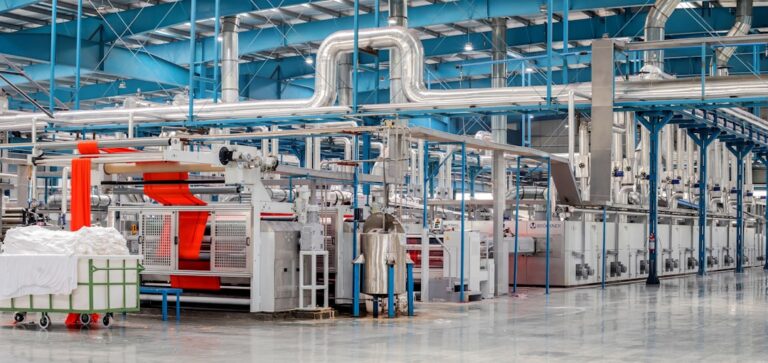
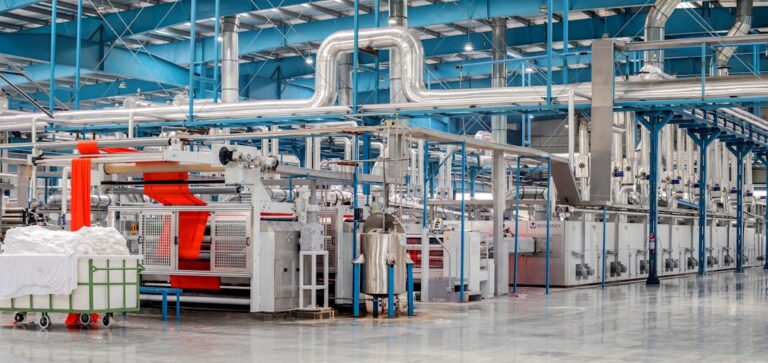
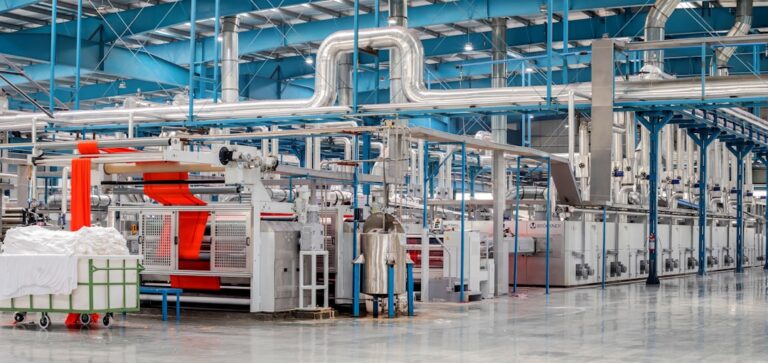
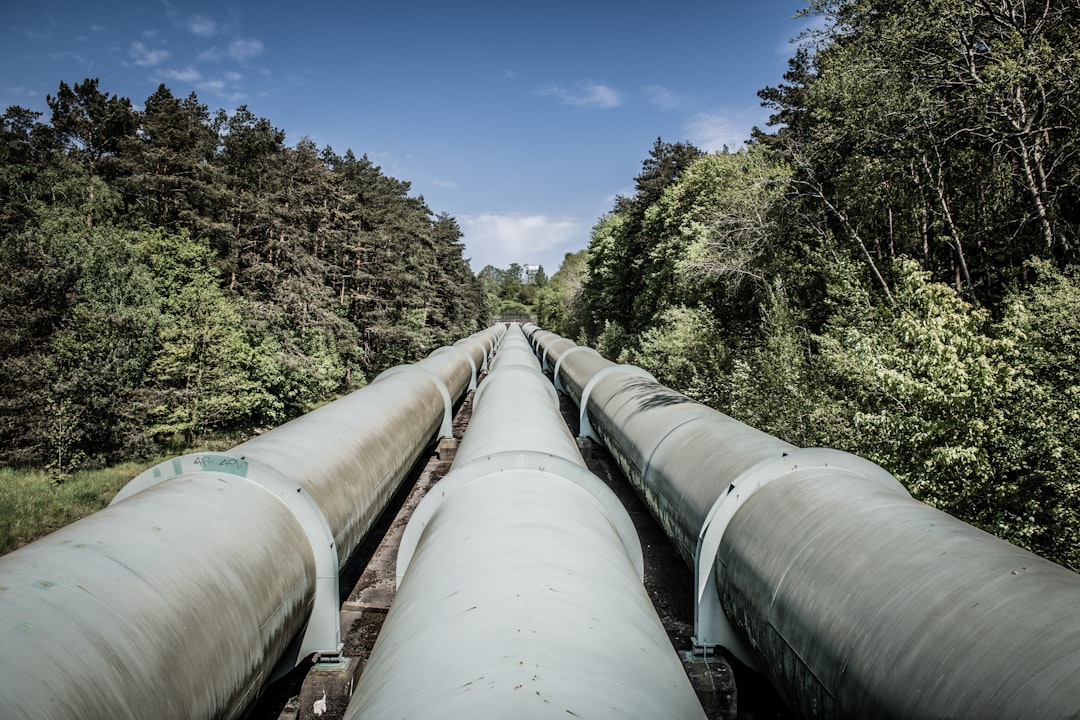
If you’ve ever driven past the massive industrial complexes in Yeosu or Ulsan, South Korea, you’ve probably noticed something strange: those long stretches of piping that suddenly shoot upward in a U-shape before coming back down. It looks unnecessarily complicated. Why not just run everything in a straight line? This chemical plant piping steam hammering guide explains exactly why those curves exist — and why understanding them matters if you’re seriously thinking about investing in Korean petrochemicals or energy infrastructure.
This isn’t textbook theory. I’ve spent nine years as a petrochemical engineer here in Korea, and I’ve seen firsthand what happens when these systems aren’t designed properly. The short answer: things break. Badly. Let me walk you through the three layers of engineering logic hidden in those curves.
What Is Steam Hammering — and Why Should Investors Care?
The formal technical term is water hammering (수격작용), but in steam systems, engineers commonly call it steam hammering. It’s exactly what it sounds like — a violent impact inside the pipe, like someone swinging a massive hammer against the inner wall. And as any chemical plant piping steam hammering guide will tell you, this is one of the most underappreciated risk factors in industrial plant operations.
There are two primary mechanisms that cause it.
Mechanism 1: Water Slug Impact
Steam moving through a pipe will partially condense as it cools — forming liquid water (condensate) at the bottom of the pipe. In a straight horizontal run, that pooled condensate gets picked up by high-velocity steam and forms waves. When those waves grow large enough to completely block the pipe’s cross-section, you get a water slug — essentially a solid bullet of water traveling at steam speed. When it hits a valve, a bend, or a dead end, the impact is enormous.
Mechanism 2: Sudden Condensation Collapse
Hot, high-pressure steam can encounter a pocket of cold condensate and condense almost instantaneously. The steam volume shrinks by a factor of 1,600 or more in milliseconds. That sudden volume collapse creates a temporary vacuum inside the pipe. Surrounding water rushes in to fill the void — and collides violently at the center. The resulting pressure spike can exceed the pipe’s design rating.
📊 Key Numbers: Steam Hammering at a Glance
• Steam-to-water volume ratio: ~1,600:1 (condensation collapse factor)
• Typical steam line operating temperature: 200°C – 400°C+
• Potential pressure spike: several times normal operating pressure
• Unplanned shutdown cost (large Korean complex): $1M+ per day in lost output
• Korea’s Yeosu/Ulsan petrochemical complexes: among the top 5 largest in Asia
The Chemical Plant Piping Steam Hammering Guide to U-Shaped Loops
Now here’s where it gets interesting — and where most outside observers misread the design. The U-shaped curves you see in Korean industrial complexes are not primarily there to prevent steam hammering. Their main purpose is actually thermal expansion management. The hammering prevention is a secondary benefit. Understanding this distinction is part of any proper chemical plant piping steam hammering guide.
1. Absorbing Thermal Expansion
Steel piping in a steam system operates at temperatures that can exceed 350°C. Metal expands when heated. A straight 100-meter run of steel pipe can elongate by several centimeters when brought up to operating temperature from ambient. If that pipe is rigidly fixed at both ends with no room to move, it will either buckle outward or tear apart at the joints.
The U-shaped loop — technically called an Expansion Loop — acts like a spring. As the pipe expands, the loop flexes slightly, absorbing the movement. As it cools and contracts, the loop returns. No buckling. No joint failure. As someone inside Korea’s industrial sector who has walked these units during turnarounds, I can tell you the expansion loop is one of the most elegantly simple solutions in plant engineering.
2. Draining Condensate to Kill Steam Hammering
Here’s the second layer of genius. The bottom of each U-loop is the lowest point in that section of piping. Gravity does the work — condensate naturally collects there. Engineers install a steam trap at the base of the loop, which automatically discharges liquid condensate while blocking steam from escaping.
Remove the water slug, and you eliminate the hammering. It’s that clean. The U-shape is both a thermal compensator and a condensate drainage point in one structural move. This dual function is why this chemical plant piping steam hammering guide emphasizes design intent — the same piece of pipe is solving two completely different failure modes simultaneously.
3. Engineering the Loop: The “L Rule” of Thumb
Watching this from the Korean market side, one thing I always appreciated about plant engineering is how empirical rules get codified into practical shortcuts. When sizing an expansion loop, engineers use a relationship roughly expressed as:
Loop length ∝ √(pipe diameter × thermal expansion distance)
The required height and width of the loop scale with both the pipe diameter and the expected temperature differential. Larger diameter pipes and higher operating temperatures demand longer loops. What looks like an arbitrary curve from the highway is actually the output of a precise calculation. For a deeper technical reference, Spirax Sarco’s steam engineering resources offer an excellent breakdown of these design principles.
| Design Element | Primary Purpose | Secondary Benefit |
|---|---|---|
| Expansion Loop (U-shape) | Absorb thermal expansion / prevent buckling | Condensate collection point |
| Steam Trap at loop base | Discharge condensate automatically | Prevents water slug formation |
| Pipe Supports / Anchors | Control loop flex direction | Contain hammering shock load |
| Proper Pipe Slope | Guide condensate toward traps | Reduce slug accumulation in straights |
How This Connects to Plant Reliability — and Korean Stock Valuations
Here’s the investing angle. As a Korean engineer tracking both KOSPI and NASDAQ, I think about plant reliability in a way most financial analysts don’t. When you’re evaluating a Korean petrochemical company — LG Chem, Lotte Chemical, Hanwha Solutions — operational reliability is a key driver of earnings quality. And operational reliability starts at the engineering fundamentals level.
Steam systems are the circulatory system of a chemical plant. They supply heat for distillation, reaction, and utilities across the entire facility. A steam hammering event serious enough to rupture a line or damage a support doesn’t just shut down one unit — it can cascade across interconnected systems and trigger a full plant shutdown. For a large naphtha cracker complex in Yeosu, that’s not a rounding error on the income statement.
The U.S. Department of Energy’s steam system management guidelines estimate that steam system inefficiencies and failures cost industrial facilities billions annually. Korea’s petrochemical sector runs some of the most steam-intensive processes in the world. Proper piping design — including expansion loops and steam trap maintenance — is a direct input into plant uptime, and plant uptime is what drives quarterly earnings.
For broader context on Korean industrial infrastructure and energy policy trends, the IEA’s Korea energy profile provides useful macro-level data on how Korea’s industrial energy mix is evolving — relevant for anyone positioning around the transition risks facing the petrochemical sector.
How Steam Hammering Prevention Actually Works: A Simple Flow
| Steam flows through pipe at high velocity | → | Partial condensation forms water at pipe base | → | U-loop collects condensate by gravity | → | Steam trap drains condensate → no slug → no hammering |
The Takeaway for Global Investors
Next time you drive past a Korean industrial complex and see those U-shaped pipes curving against the skyline, you’re looking at a system that’s actively breathing — expanding in the heat, contracting at night, draining condensate to prevent violent pressure spikes, and protecting hundreds of millions of dollars worth of equipment in the process.
This chemical plant piping steam hammering guide isn’t just an engineering curiosity. It’s a lens into how plant reliability actually works from the inside. On the ground here in Korea, the difference between a world-class petrochemical operator and a mediocre one often comes down to exactly this kind of engineering discipline — the invisible systems that either hold or fail under pressure.
For global investors analyzing Korean industrials, understanding what drives plant uptime — and what threatens it — gives you an edge that pure financial analysis can’t. The U-shaped pipe is simple. The engineering behind it is anything but.