Samsung Galaxy S26 On-Device AI Stocks: 3 Layers of Investment Opportunity Korean Investors Are Already Watching
The Samsung Galaxy S26 just broke all pre-order records in Korea — and if you’re only watching Samsung Electronics stock in response, you’re already behind. Samsung Galaxy S26 on-device AI stocks represent a much wider opportunity than most global investors realize, spanning advanced substrates, thermal management materials, embedded security software, and even the used-phone recycling economy. I’ve been tracking this from the inside — both as a long-time Samsung user (Galaxy Note 3 all the way to my current S24 Ultra) and as a Korean investor watching the supply chain react in real time.
This post is part of my ongoing “Building Investment Insight” series, where I try to think beyond the obvious headline and trace the second and third-order effects of a major market event. The Galaxy S26 launch is the perfect case study. Let me walk you through how I’m thinking about it — layer by layer.
Why the Galaxy S26 Launch Is Different This Time
Samsung set a new pre-order record with the S26 series ahead of its official launch. But what matters more than the headline number is why it’s selling — and that answer points directly to Samsung Galaxy S26 on-device AI stocks as the dominant investment theme here.
The S26 isn’t just a spec bump. On-device AI 3.0 means the phone processes sensitive computations locally — no cloud dependency. For users, that means faster, more private AI features. For investors, that means every component inside the device has to work harder. Higher-bandwidth memory. Smarter substrate architecture. More sophisticated thermal management. This is a qualitative shift, not just a quantitative one.
As someone inside Korea’s industrial sector who tracks semiconductor and materials supply chains professionally, the downstream implications here are significant. The Korean component ecosystem is already moving.
Layer 1: The Obvious Play — Samsung and Camera Component Suppliers
Yes, Samsung Electronics (005930.KS) is the direct beneficiary. Strong S26 sales support Samsung’s Mobile Experience division, which has been under pressure relative to its semiconductor business. A super-cycle in smartphone upgrades helps rebalance that.
Camera component suppliers also get a direct lift. The S26’s folded zoom optics and sensor improvements have already driven renewed attention to Samsung’s camera module supply chain partners on KOSPI and KOSDAQ.
But this is the first-order thinking. Most retail investors and sell-side analysts are already here. The real edge is in what comes next.
Layer 2: The On-Device AI Hardware Stack — Where Samsung Galaxy S26 On-Device AI Stocks Get Interesting
Advanced Substrates: FC-BGA
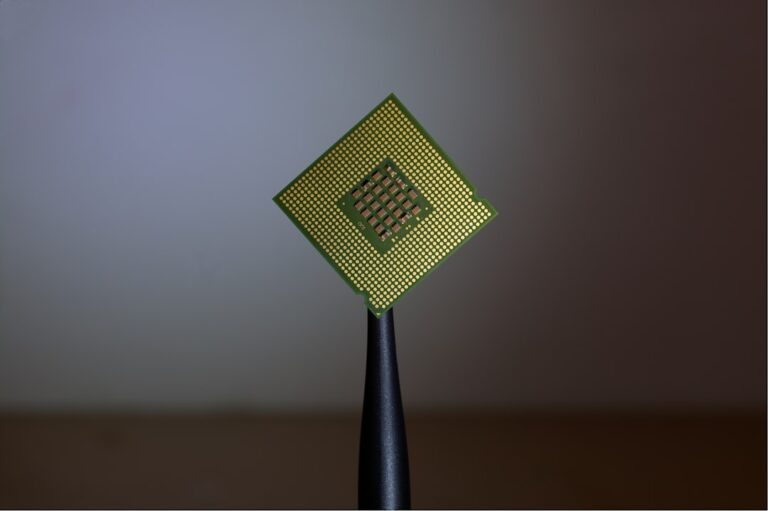
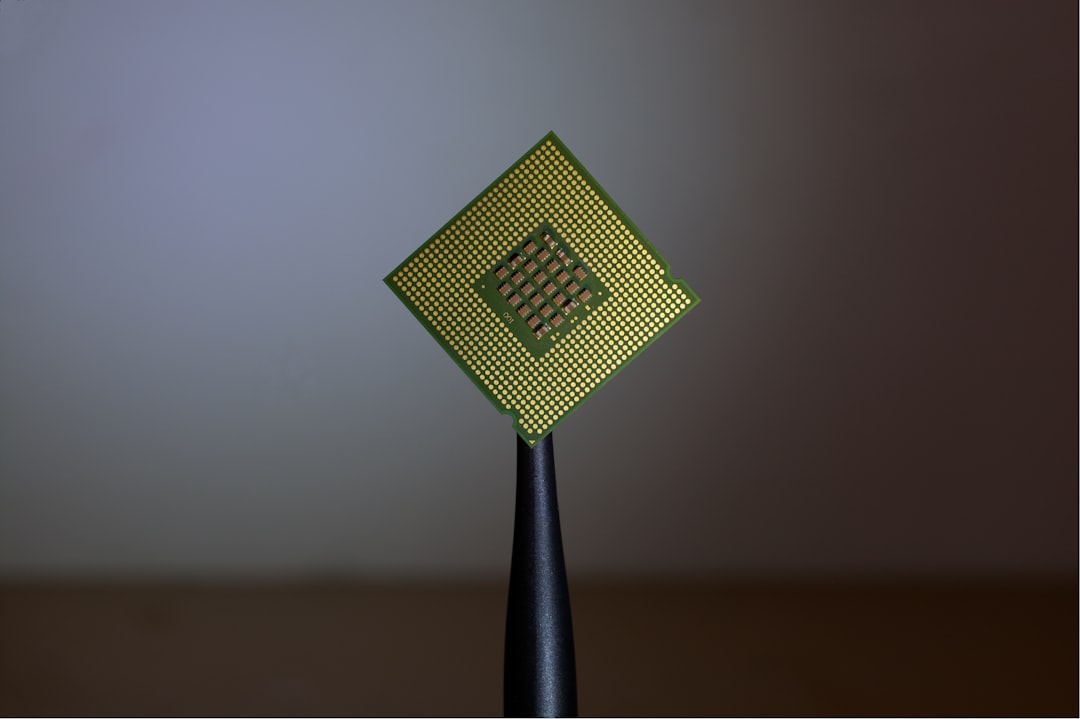
On-device AI demands serious local compute. That means the substrate connecting the AI chip to the rest of the phone’s architecture has to be high-performance. The technology in focus here is FC-BGA (Flip Chip Ball Grid Array) — a high-density packaging substrate that connects premium semiconductors to the mainboard via copper ball terminals. It enables faster data transfer, lower latency, and higher power efficiency.
FC-BGA substrates were originally associated with server CPUs and high-end GPUs. The fact that they’re now being used in mass-market smartphones — driven by on-device AI requirements — is a structural demand shift. Korean substrate manufacturers are direct beneficiaries. Samsung’s own Galaxy S26 product page makes the AI-first positioning very clear.
Thermal Management: Vapor Chambers and Heat Dissipation Materials
More compute = more heat. It’s that simple. The S26’s AI processing creates sustained thermal loads that previous smartphone generations never had to manage. This is driving demand for advanced vapor chamber solutions and specialized heat dissipation materials.
Watching this from the Korean market side, companies like AmoGreenTech — which specializes in thermal interface materials — are getting fresh attention from institutional Korean investors. This isn’t speculative. Thermal management is a hard engineering requirement, not a nice-to-have feature.
📊 Key Numbers: Galaxy S26 Launch Context
• Pre-order volume: Record-breaking, surpassing S25 series by a significant margin
• Official launch date: March 11 (Korea)
• AI tier: On-device AI 3.0 — full local inference capability
• Key hardware upgrade: FC-BGA substrate + advanced vapor chamber thermal system
• Estimated upgrade cycle trigger: First major super-cycle since S23 generation
| Investment Layer | Sector / Theme | Why It Matters Now |
|---|---|---|
| Layer 1 — Direct | Samsung Electronics + Camera suppliers | Already pricing in; limited edge for latecomers |
| Layer 2a — Substrate | FC-BGA packaging substrate makers | Structural demand shift from servers → smartphones |
| Layer 2b — Thermal | Vapor chamber / heat dissipation material firms | Hard engineering requirement, not optional |
| Layer 3a — Security | Embedded AI security / cybersecurity software | On-device data = on-device attack surface |
| Layer 3b — Circular Economy | Used-phone resale / recycling platforms | Super-cycle creates massive secondary market supply |
Layer 3: Security and the Circular Economy — The Plays Nobody Talks About
On-Device AI Security Solutions
Here’s the paradox of on-device AI: processing personal data locally makes you less dependent on the cloud, but it also means your device itself becomes the highest-value attack target. Embedded AI security — protecting the inference model, the personal data it processes, and the hardware execution environment — is becoming a critical requirement.
As a Korean engineer tracking both KOSPI and NASDAQ, I’ve been building a position in CrowdStrike (CRWD) partly for this reason — the expansion of AI security from enterprise endpoints to consumer devices is a long-term structural theme. It’s not just about smartphones, but the Galaxy S26 launch is an accelerant. Embedded security software firms, both Korean and US-listed, deserve a closer look right now.
The Used-Phone Super-Cycle Opportunity
This one is genuinely underappreciated. A record S26 pre-order wave means millions of S22, S23, and S24 devices will flood the secondary market. That volume surge is a direct revenue catalyst for used-phone resale and recycling platforms. The global secondary smartphone market is already a $50B+ industry, and Korean platforms that aggregate, refurbish, and resell devices benefit directly from any super-cycle event.
On the ground here in Korea, the used-phone logistics infrastructure is more mature than most global investors realize. This isn’t a niche play — it’s a volume business with predictable unit economics that scales cleanly with upgrade cycle intensity.
| S26 Record Pre-Orders | → | On-Device AI Hardware Demand | → | FC-BGA + Thermal + Security + Recycling |
One Risk Worth Watching
Let me be direct about the main risk when playing Samsung Galaxy S26 on-device AI stocks: pre-announcement price action. By the time the pre-order records hit global news, many of the obvious component plays had already moved. The question isn’t “will this benefit XYZ supplier?” — it’s “is that benefit already priced in?”
There’s also an earnings timing lag to consider. Pre-order records today don’t show up in component supplier earnings until one or two quarters out. That creates both a risk (holding through volatility) and an opportunity (entering before the earnings confirmation catalyst). I’m personally watching Q2 earnings calls from Korean substrate and thermal materials firms very closely.
Actionable Takeaway for Global Investors
The Galaxy S26 is more than a Samsung story. It’s a signal that the on-device AI hardware cycle is maturing — moving from server racks to the 1.5 billion smartphones that will ship globally over the next 12 months. Samsung Galaxy S26 on-device AI stocks — properly understood — span substrate packaging, thermal engineering, embedded security, and the circular device economy.
For global investors who don’t have direct access to Korean small-cap names, the US-listed angle through cybersecurity plays and semiconductor packaging-adjacent names is the most actionable entry point. For those with access to Korean markets, the KOSDAQ component supplier space is where the real asymmetry sits right now.
I’ll keep updating this series as the S26 cycle develops. Next up: I’m looking at another macro-level event and tracing its second and third-order effects the same way. Stay tuned.