Iran Ceasefire KOSPI Rebound: 3 Scenarios Every Global Investor Must Watch Now
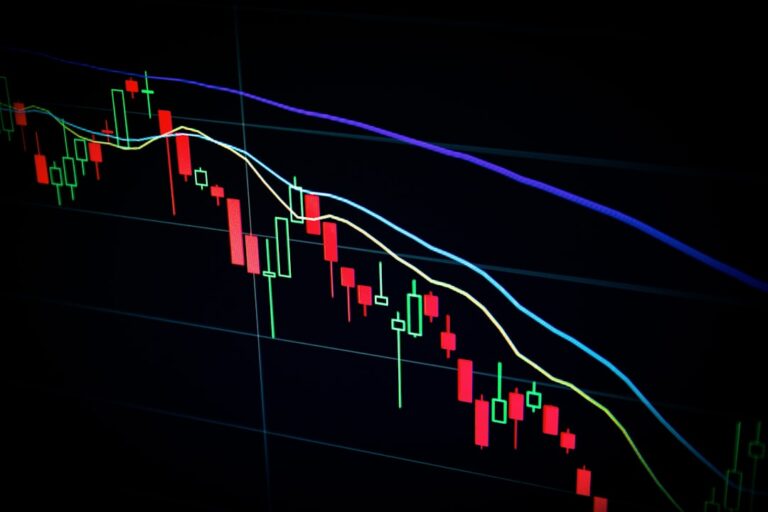
Markets move on fear and hope. This morning, Korean investors got a dose of both. The Iran ceasefire KOSPI rebound that played out across Seoul trading screens wasn’t random noise — it was a direct reaction to reports that the US and Iran have reached a tentative two-week ceasefire agreement, brokered through a surprising intermediary: Pakistan. If you’re a global investor trying to make sense of the sudden green candles on Korean indices, this post is for you. The Iran ceasefire KOSPI rebound matters beyond just today’s price action — it’s a window into how geopolitical risk flows through Asian markets.
Why Pakistan? Understanding the Islamabad Factor
When I first saw Pakistan mentioned as the mediator, I had to do a double-take. It’s not the name you’d expect in a US-Iran negotiation. But the more you dig into it, the more sense it makes.
Pakistan occupies a genuinely unique diplomatic position. It’s a Muslim-majority nuclear power that maintains close religious and cultural ties with Iran, while simultaneously sustaining military and strategic cooperation with the United States. There are very few countries on earth that can credibly walk into a room with both Washington and Tehran. Pakistan is one of them.
What’s even more telling is who was doing the negotiating on Pakistan’s side. It wasn’t the foreign ministry — it was the military. Army Chief General Asim Munir reportedly worked through the night coordinating between US Vice President Vance, Middle East Envoy Witkoff, and Iran’s Foreign Minister. When a country’s military command takes direct control of a diplomatic back-channel, that tells you the situation was urgent enough to bypass normal diplomatic protocol.
The term “Islamabad Agreement” is being floated because the final face-to-face negotiations are expected to take place in Pakistan’s capital. That naming convention matters more than it sounds. Once a deal gets a geographic name attached to it, it carries public weight — parties are expected to honor it visibly. It becomes a soft enforcement mechanism, raising the reputational cost of walking away.
The Gap Between US and Iranian Demands Is Enormous
Here’s the part of the story that the initial market rally might be glossing over. The two sides are far apart. Let me lay this out clearly.
| Side | Key Demands | Tone |
|---|---|---|
| United States (15 points) | Dismantlement of Natanz & Fordow nuclear facilities; transfer of 450kg enriched uranium to IAEA; full opening of the Strait of Hormuz | Effectively demanding disarmament |
| Iran (10 points) | Permanent ceasefire guarantee; war reparations; full sanctions relief; right to collect Hormuz Strait tolls (yuan/stablecoin only; US & Israeli vessels banned) | Maximalist counter-position |
Iran’s parliament has apparently already approved a measure to charge ships passing through the Strait of Hormuz a toll of roughly $1 per barrel — payable only in yuan or stablecoins, with US and Israeli vessels outright banned. That’s not a negotiating chip; that’s a statement of intent. The Hormuz Strait remains Iran’s single most powerful piece of leverage, and they know it.
On the US side, President Trump has political incentives to wrap this up quickly. Energy prices and voter sentiment are both sensitive to prolonged Middle East tension. That creates a window where a partial deal — something short of full resolution — could be sold publicly as a win even if the underlying structural issues remain unresolved. Reuters Middle East coverage has been tracking these dynamics in real time.
Iran Ceasefire KOSPI Rebound: What’s Actually Driving Korean Markets
As someone inside Korea’s industrial sector, I can tell you the KOSPI’s sensitivity to Middle East news is deeply structural — not just emotional. Korea imports nearly all of its crude oil. A shooting war near the Strait of Hormuz hits Korean refiners, petrochemical companies, and shipping firms almost immediately. Watching this from the Korean market side, I’ve seen this pattern play out multiple times: geopolitical tension spikes → energy costs rise → Korean manufacturing margins get squeezed → KOSPI sells off.
So when a ceasefire signal emerges — even a shaky, two-week one — the relief rally makes complete sense. The Iran ceasefire KOSPI rebound is a rational response to reduced tail risk, not a signal that the crisis is over.
📊 Key Numbers to Watch
• Duration of ceasefire: ~2 weeks (tentative)
• Hormuz Strait toll proposed: ~$1/barrel (yuan/stablecoin only)
• Enriched uranium at stake: 450kg transfer demanded by US
• US demands presented: 15-point framework
• Iranian counter-proposals: 10-point framework
• Korea’s crude oil import dependency: ~95%+ from overseas
3 Scenarios and How to Position Around the Iran Ceasefire KOSPI Rebound
As a Korean engineer tracking both KOSPI and NASDAQ, here’s how I’m thinking about the next two weeks in terms of scenario planning.
| Ceasefire Holds → Full Talks Begin | → | Oil Prices Drop → Energy Stocks Weaken | → | Korean Industrials / Tech Benefit |
Scenario 1: Ceasefire Holds, Talks Progress
If the two-week window leads to substantive negotiations, expect oil prices to drift lower. That’s net positive for KOSPI — lower input costs benefit Korea’s energy-intensive manufacturing base. Korean refiners and petrochemical names would feel margin pressure, but the broader index and tech-heavy names would likely extend gains. EIA energy price data is worth bookmarking if you want to track this in real time.
Scenario 2: Partial Deal, Frozen Conflict
This is what I consider the most likely outcome. A half-agreement — no major nuclear concessions, no full sanctions relief — but both sides publicly declare a pause. Markets get short-term relief, but structural uncertainty remains. The Iran ceasefire KOSPI rebound in this case becomes a range-trade environment. Don’t chase the rally. Let it consolidate and look for better entry points.
Scenario 3: Talks Break Down After Two Weeks
This is the scenario the market is currently not pricing in fully. If the two-week deadline arrives with no deal, expect a sharp reversal. Defense stocks — both Korean and US — would likely spike. Energy prices would surge. The KOSPI rally would reverse quickly. On the ground here in Korea, I’m watching defense-related names closely as a hedge.
Actionable Takeaway: How to Play This as a Global Investor
Here’s my honest take. Don’t chase this rally blindly. The Iran ceasefire KOSPI rebound gives you a window to rebalance — not a green light to go all-in.
If you’re already holding Korean industrials or consumer names that sold off during the escalation, today’s bounce is a reasonable point to trim risk or rebalance your position sizing. If you’re on the sidelines looking to enter, I’d wait for either: (a) confirmation that talks are genuinely progressing beyond the two-week window, or (b) a cleaner dip if the negotiations stall.
Sector-wise, keep a close eye on the energy-defense rotation. A sustained ceasefire tilts the table toward Korean industrials and away from energy. A breakdown flips it back toward defense and commodities. WSJ Market Data is useful for tracking cross-asset moves in real time as the situation develops.
Investing is fundamentally about managing uncertainty — not eliminating it. The most important question right now isn’t where the KOSPI closed today. It’s: what’s your plan for the scenario two weeks from now? If you’ve thought through all three outcomes above and sized your positions accordingly, you’re already ahead of most market participants reacting to headlines.
Stay sharp, and I’ll be watching this closely from Seoul.