Crude Oil Naphtha Korea Petrochemical: 5 Things Engineers Know About Middle East Risk
Why Crude Oil Naphtha Korea Petrochemical Investors Need to Watch the Strait of Hormuz Right Now
If you’ve been watching oil prices tick up and wondering what’s really driving it, let me give you the view from inside Korea’s petrochemical industry. The Israel-Iran conflict isn’t just a geopolitical headline — for anyone tracking the crude oil naphtha Korea petrochemical supply chain, it’s a direct threat to raw material costs, plant operating rates, and ultimately corporate margins. I’ve spent nine years working inside this industry, and right now, the signals I’m seeing on the ground here in Korea are worth paying attention to.
1. What Is Naphtha — And Why Does It Run Korea’s Economy?
Most global investors know crude oil. Far fewer understand naphtha — and that’s exactly where the insight gap is. Naphtha is the light liquid hydrocarbon fraction extracted right after gas during crude oil distillation. It’s composed of hydrocarbons in the C5–C12 carbon chain range, essentially an unrefined form of gasoline. But Korea doesn’t use it as fuel. Korea cracks it.
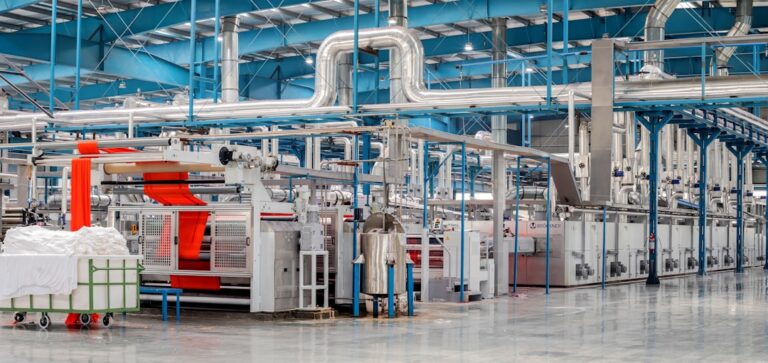
Korea’s massive NCC (Naphtha Cracking Center) complexes — operated by companies like LG Chem, Lotte Chemical, and Hanwha TotalEnergies — split naphtha under extreme heat into the petrochemical building blocks that underpin modern manufacturing:
- Ethylene & Propylene: plastics, synthetic resins, packaging films
- Butadiene (BD): synthetic rubber for tires and auto parts
- BTX (Benzene, Toluene, Xylene): synthetic fibers, paints, detergents
This is why the crude oil naphtha Korea petrochemical chain is so critical — naphtha isn’t just an input, it’s the singular raw material that feeds an entire industrial ecosystem worth tens of billions of dollars annually.
2. Not All Crude Is Created Equal: The API Index and What It Means for Naphtha Yield
As someone inside Korea’s industrial sector, one thing I can tell you that most financial analysts miss: the type of crude matters as much as the price. The API gravity index, set by the American Petroleum Institute, measures how light or heavy a crude oil is relative to water. This directly determines how much naphtha you can extract from a barrel.
| Crude Type | API Gravity | Sulfur Content | Naphtha Yield | Example |
|---|---|---|---|---|
| Light Sweet | 34°+ API | <1% | High | WTI (US) |
| Medium Sour | 30–34° API | 1–2% | Medium | Dubai Crude |
| Heavy Sour | <30° API | >2% | Low | Canadian Heavy |
| North Sea Light | 38° API | <0.5% | High | Brent (UK) |
Korea primarily imports Dubai crude — a medium sour grade. That means Korean refiners must run expensive hydrodesulfurization (HDS) processes before the crude is clean enough to crack into quality naphtha. High-pressure hydrogen injection, catalyst replacement cycles, and energy-intensive operations all add cost. When crude prices spike, these refining costs amplify the damage up the chain.
3. Light vs. Heavy Naphtha: A Detail That Moves Stock Prices
Watching this from the Korean market side, I notice that even experienced investors lump all naphtha together. They shouldn’t. There are two distinct grades with completely different end uses:
- Light Naphtha (boiling point below 100°C): Lower carbon count, ideal feedstock for NCC plants producing ethylene. This is the high-value stream Korea’s petrochemical sector craves.
- Heavy Naphtha (boiling point above 100°C): Richer in ring-structure hydrocarbons. Sent through catalytic reforming to produce BTX aromatics or high-octane gasoline blendstock.
Refiners can adjust cut points on their distillation columns to shift the ratio — but only within a range. When Middle East tensions tighten supply of direct-import naphtha (known in Korean industry as 직도입 나프타), Korean NCC operators face a double squeeze: rising feedstock cost and reduced optionality on sourcing.
4. The Hormuz Flashpoint: 5 Ways the Iran Conflict Hits the Crude Oil Naphtha Korea Petrochemical Chain
This is where things get very real, very fast. The Strait of Hormuz carries roughly 20% of global oil trade, according to the U.S. Energy Information Administration. For Korea — which imports the vast majority of its crude from the Persian Gulf — any disruption is not a distant risk. It’s an operational emergency.
| Risk Factor | Mechanism | Impact on Korean Petrochemicals |
|---|---|---|
| Strait Closure / Blockade | Tanker routing disrupted | Severe crude supply shortage, NCC shutdowns |
| Iranian Transit Tolls (~$1/bbl) | Per-barrel surcharge on all tankers | ~₩3B added cost per VLCC voyage |
| Direct Naphtha Import Disruption | Middle East naphtha spot price surges | NCC operating rate cuts, margin compression |
| BD / Styrene Supply Crunch | Downstream feedstock shortage | Price spike in rubber, plastics, auto parts |
| War Risk Insurance Premium | Shipping insurance rates multiply | Hidden cost escalation across all imports |
One VLCC (Very Large Crude Carrier) holds roughly 2 million barrels. At a $1/barrel toll, that’s an extra $2 million per voyage — or roughly ₩2.7 billion — before the ship even docks in Ulsan. And that’s the optimistic scenario where the strait stays open.
📊 Key Numbers: Hormuz Exposure for Korea
• ~80% of Korea’s crude oil imports originate from the Middle East
• ~20% of global oil supply transits the Strait of Hormuz daily
• 2 million barrels carried per VLCC supertanker voyage
• $1/bbl proposed toll = $2M extra cost per tanker passage
• ~30–40% of Korean NCC feedstock sourced directly from Middle East naphtha
5. How This Flows Through to Investors: The Crude Oil Naphtha Korea Petrochemical Value Chain
As a Korean engineer tracking both KOSPI and NASDAQ, I think about this in terms of margin flow. The crude oil naphtha Korea petrochemical chain is essentially a series of spreads — the difference between input costs and output prices at each stage. When crude spikes, every margin in the chain compresses simultaneously unless downstream product prices rise fast enough to compensate. They rarely do, at least not immediately.
| Crude Oil Price Spike | → | Naphtha Cost Rises | → | NCC Spread Compresses | → | Korean Petchem Earnings Fall |
The key metric to watch is the naphtha-to-ethylene spread. When this spread is healthy (above ~$300/ton), Korean NCC operators run near full capacity. When it collapses — as it did through most of 2023 — plants cut rates and earnings crater. A Hormuz disruption scenario would simultaneously push naphtha costs up and potentially reduce demand for downstream products as global manufacturing slows. That’s a double compression.
For global investors, the ICIS naphtha market tracker is worth bookmarking. It gives you the spread data that actually drives KOSPI-listed petrochemical stocks.
What This Means for Your Portfolio: Actionable Takeaways
On the ground here in Korea, the mood in the petrochemical sector is cautious. Companies have been working through a prolonged margin downturn driven by Chinese overcapacity. The last thing the industry needs is a crude supply shock layered on top.
Here’s how I’m thinking about it as an investor:
- Monitor Dubai crude vs. WTI spread: A widening spread signals tighter Middle East supply and rising costs for Korean refiners specifically.
- Watch KOSPI petrochemical names: LG Chem, Lotte Chemical, and Kumho Petrochemical are direct proxies for the crude oil naphtha Korea petrochemical margin cycle.
- Track shipping war risk premiums: These are a leading indicator — they spike before the crude price fully reflects geopolitical risk.
- Consider energy sector exposure as a hedge: If you hold Korean industrial stocks, some exposure to upstream energy names can offset raw material cost risk.
You can follow EIA’s petroleum data dashboard for real-time crude price and inventory data that feeds directly into the analysis above.
Geopolitical risk in the Middle East is nothing new. But understanding exactly how it transmits through the crude oil naphtha chain into Korea’s industrial backbone — that’s the edge that most outside investors simply don’t have. Now you do.